
10-Minute Beginner Shadow Boxing Routine
October 10, 2025
Warm-Up (2 minutes)
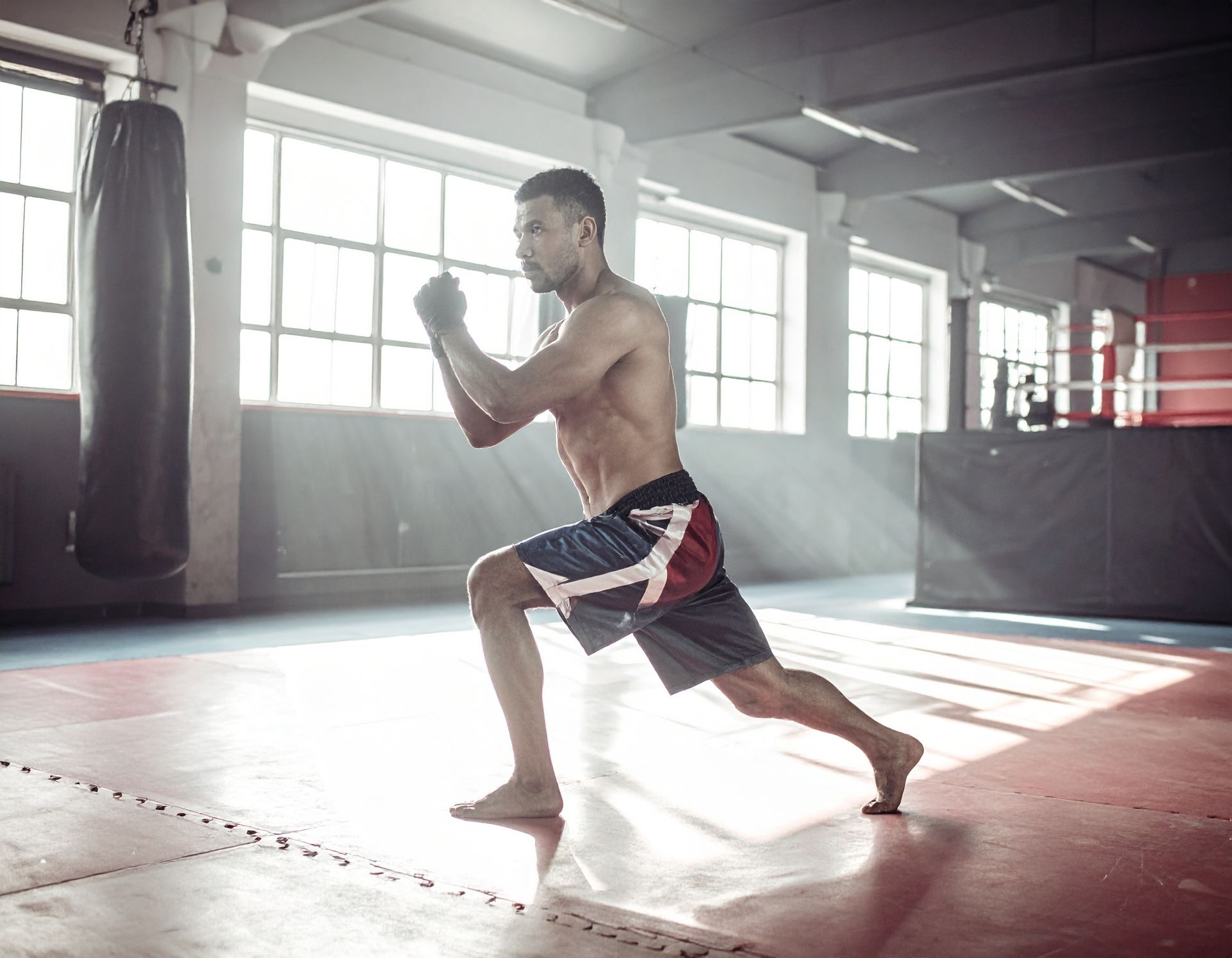
Before you start throwing punches, loosen up your body:
- 30 sec: Jumping jacks
- 30 sec: Arm circles (forward and backward)
- 30 sec: High knees
- 30 sec: Light shadow boxing (slow punches, bouncing on your feet)
Round 1 – The Basics (2 minutes)
Focus on jab (front hand) and cross (rear hand).
- Stand in boxing stance: one foot slightly ahead, hands up by your face.
- Throw jab-cross combinations (1–2) while moving your feet forward, backward, left, and right.
- Keep your punches straight and return your hands to guard after every shot.
Round 2 – Adding Hooks & Uppercuts (2 minutes)
Now mix in new punches.
- Hooks: Swing your front arm across your body (elbow bent).
- Uppercuts: Come upward with your punch, using your legs and core.
- Do combos like:
- Jab-Cross-Hook (1–2–3)
- Jab-Cross-Uppercut (1–2–5)
- Keep your feet moving and imagine hitting a target in front of you.
Round 3 – Defense & Movement (2 minutes)
Shadow boxing isn’t just offense—defense matters too.
- After each combo, add a slip (head movement left or right), duck, or step back.
- Example combo: Jab-Cross, then slip left.
- Stay light on your feet, bouncing and circling around as if you had a real opponent.
Round 4 – Freestyle Burnout (2 minutes)
Now put it all together!
- Mix jabs, crosses, hooks, uppercuts, slips, and footwork.
- Go as fast as you can while staying controlled.
- Imagine an opponent in front of you and keep your hands up.
Cool-Down (1 minute)
Bring your heart rate down with:
- Slow arm swings
- Shoulder stretches
- Deep breathing
Pro Tips:
- Keep your core tight—most power comes from your hips and abs.
- Don’t let your hands drop after punches; always return to guard.
- Breathe out sharply with every punch for power and rhythm.
- Imagine an opponent—it keeps you sharp and focused.

Learn why the uppercut is essential in boxing, from breaking tight guards and generating power to improving combinations and close-range fighting.
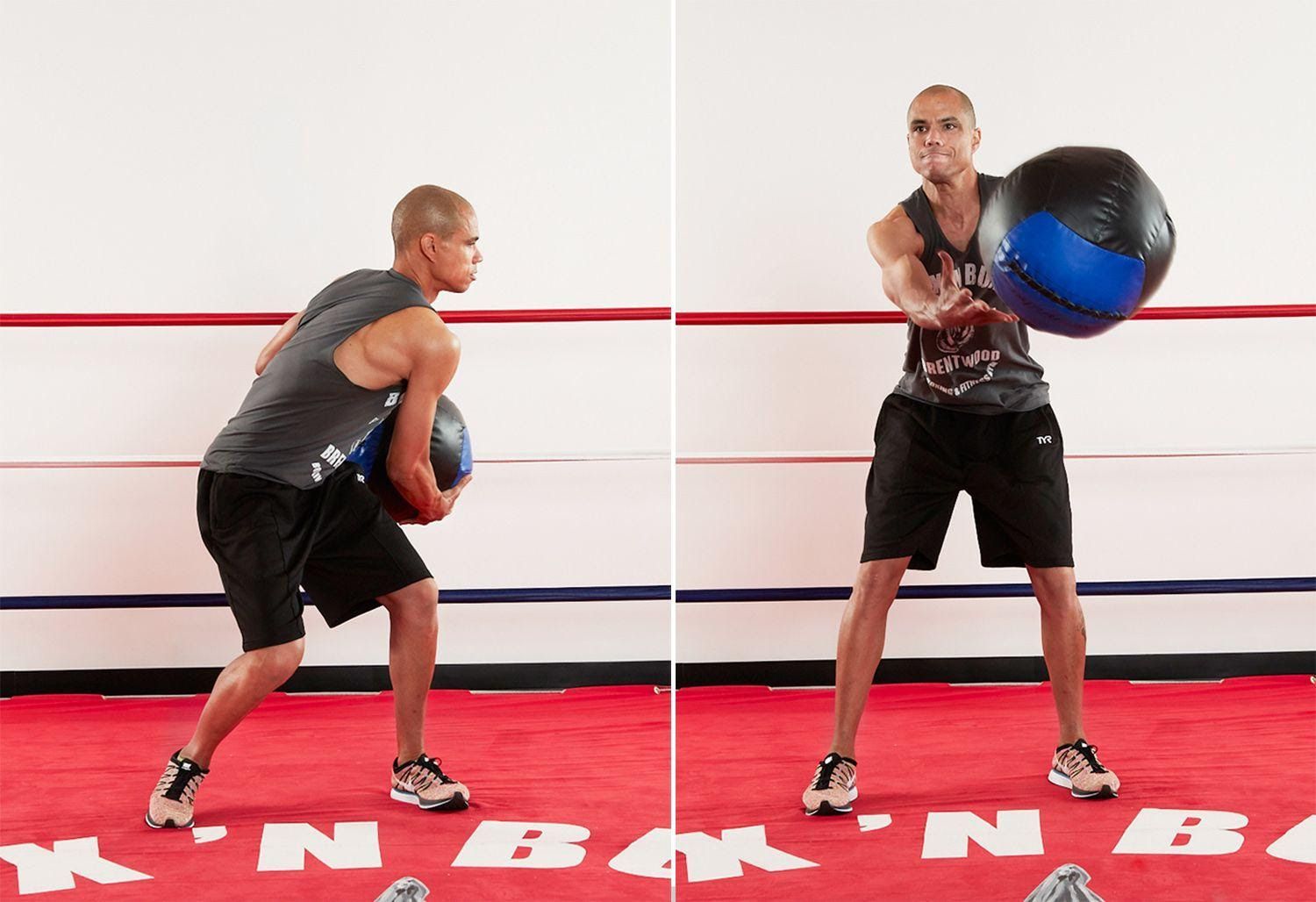
Build harder, faster punches with five rotational exercises for boxing, including medicine-ball throws, landmine rotations, cable chops, and Pallof presses.

Learn how fighter core training builds power, balance, endurance, and stability with functional exercises designed for better combat performance.