Why Head Movement is Crucial for Boxers
In the ring, every second counts, and every movement matters. Boxing is as much about not getting hit as it is about landing punches. While power, speed, and footwork are celebrated components of the sport, head movement often flies under the radar. However, it is one of the most vital skills a boxer can develop. A moving head is not just about defense—it’s about strategy, control, and creating opportunities. Here’s why head movement is crucial for any boxer aiming for success.
1. The First Line of Defense

Head movement is a boxer’s primary tool for avoiding punches. A stationary head is a perfect target, and even the most durable fighter can only endure so much punishment. Unlike blocking, where impact is absorbed through gloves or forearms, slipping or rolling punches ensures the blows miss entirely. This not only protects the boxer but also conserves energy. Taking clean hits—especially to the head—can sap stamina and mental clarity over the course of a fight. Proper head movement reduces this risk, keeping the fighter fresh and focused.
2. Disrupting an Opponent’s Rhythm

Boxing is often described as a chess match, with each fighter looking to outthink and outmaneuver the other. Effective head movement disrupts an opponent’s rhythm and timing, making it harder for them to predict where to land their punches. Fighters who master head movement can frustrate their opponents, forcing them to miss and overextend. This can lead to mistakes, leaving openings for counterattacks. By constantly shifting their head off the centerline or changing angles, boxers make themselves a moving puzzle their opponents struggle to solve.
3. Setting Up Counterattacks

Good head movement isn’t just about defense—it’s an offensive tool as well. By slipping punches or rolling under hooks, a fighter can position themselves to counter with precision. For example, slipping a jab to the outside can set up a sharp cross, while weaving under a hook can lead to an uppercut or body shot. Fighters like Mike Tyson and Vasiliy Lomachenko are prime examples of using head movement to create devastating counter opportunities. In this way, head movement becomes an active part of a boxer’s overall strategy, blending seamlessly with their offense.
4. Energy Efficiency

Boxing is a physically demanding sport, and conserving energy is crucial, especially in longer fights. Head movement, when done correctly, is more efficient than blocking or absorbing punches. Rather than relying on brute strength to resist blows, a simple slip or roll allows a fighter to stay fresh while making their opponent waste energy. Over time, this can wear down an opponent, giving the more agile fighter an advantage in later rounds.
5. Psychological Edge
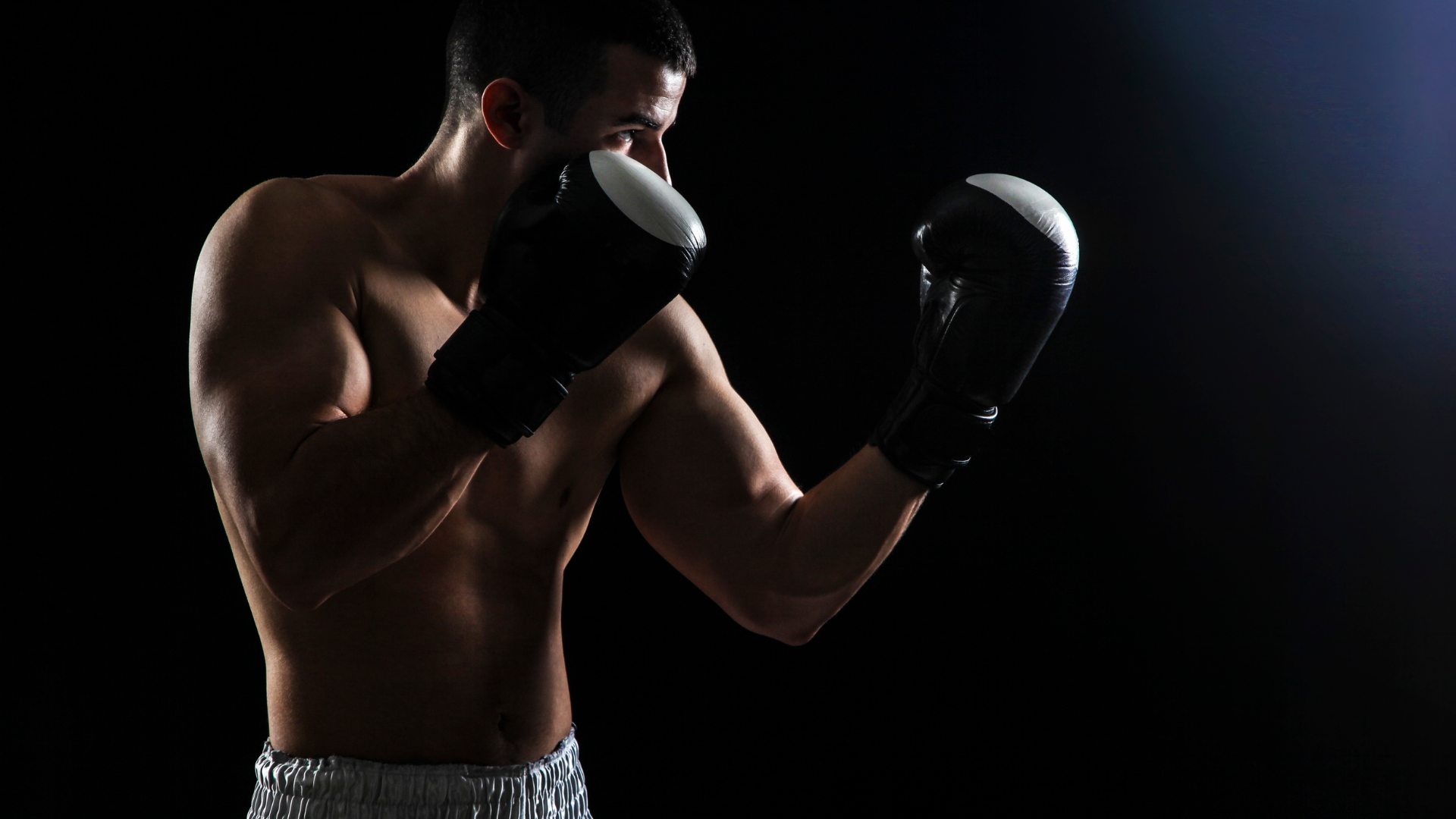
There’s nothing more demoralizing for a fighter than missing punches repeatedly. A boxer with great head movement can frustrate their opponent, causing them to lose confidence and composure. This psychological edge can turn the tide of a fight, especially if the opponent begins to doubt their ability to land clean shots. A flustered fighter is more likely to make errors, providing even more opportunities to capitalize.
Conclusion
Head movement is not just a defensive tactic—it’s a cornerstone of effective boxing. It protects a fighter from damage, disrupts the opponent’s game plan, and creates openings for counters. More than that, it showcases the artistry of boxing, turning fights into displays of skill and strategy. Whether you’re an amateur just starting out or a seasoned professional, mastering head movement is essential for success in the ring. As the saying goes, "The best punch is the one that never lands," and with excellent head movement, a boxer ensures that’s the case.