The Importance of Stance in Boxing: A Beginner's Guide
When stepping into the boxing ring, one of the first things you’ll learn is the significance of your stance. For beginners, understanding and mastering your stance is crucial, as it lays the foundation for your entire boxing technique. A proper stance not only enhances your performance but also helps protect you from injury. Let’s explore why stance is so important and how you can develop a solid one.
What is Stance?

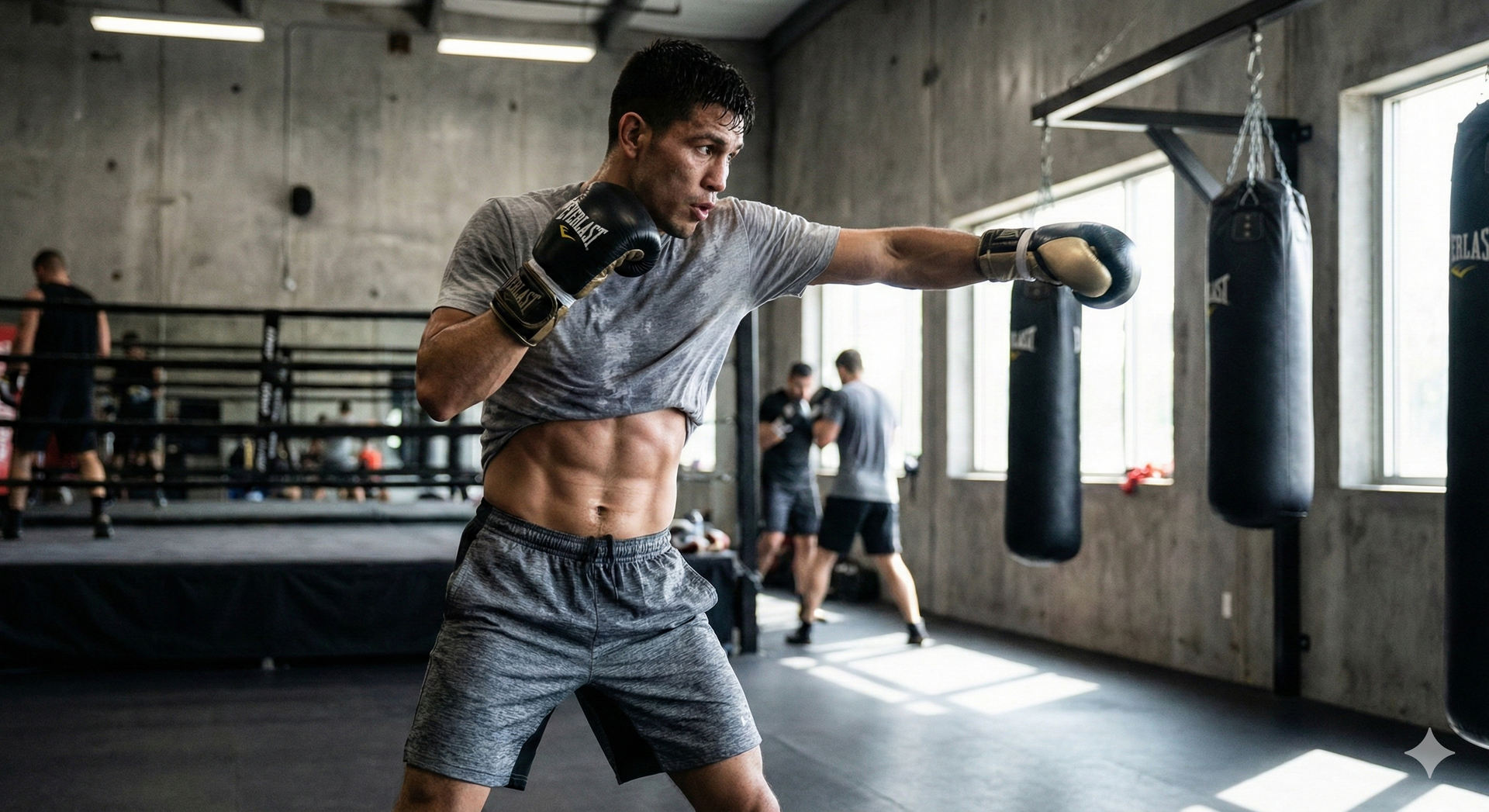
In boxing, your stance refers to the position of your feet, legs, and body when you’re ready to fight. It’s your starting point, and it influences your balance, power, and ability to move. There are two primary stances in boxing: the orthodox stance (for right-handed fighters) and the southpaw stance (for left-handed fighters). Each stance has its own unique characteristics, but both share common principles that are essential for effective boxing.
Balance and Stability

One of the most critical aspects of a good stance is balance. A balanced stance allows you to maintain control over your movements, making it easier to throw punches, evade attacks, and shift your weight. When your feet are positioned correctly—shoulder-width apart, with your knees slightly bent—you create a stable base. This stability is vital for both offense and defense. If you’re off-balance, you’ll struggle to deliver powerful punches or react quickly to your opponent’s movements.
Power Generation

Your stance also plays a significant role in generating power. When you throw a punch, the force doesn’t just come from your arms; it originates from your legs and core. A proper stance allows you to transfer your weight effectively, maximizing the power behind your punches. For instance, in an orthodox stance, your left foot should be slightly forward, allowing you to pivot and rotate your hips as you throw a jab or cross. This rotational movement is what gives your punches their knockout potential.
Defense and Evasion
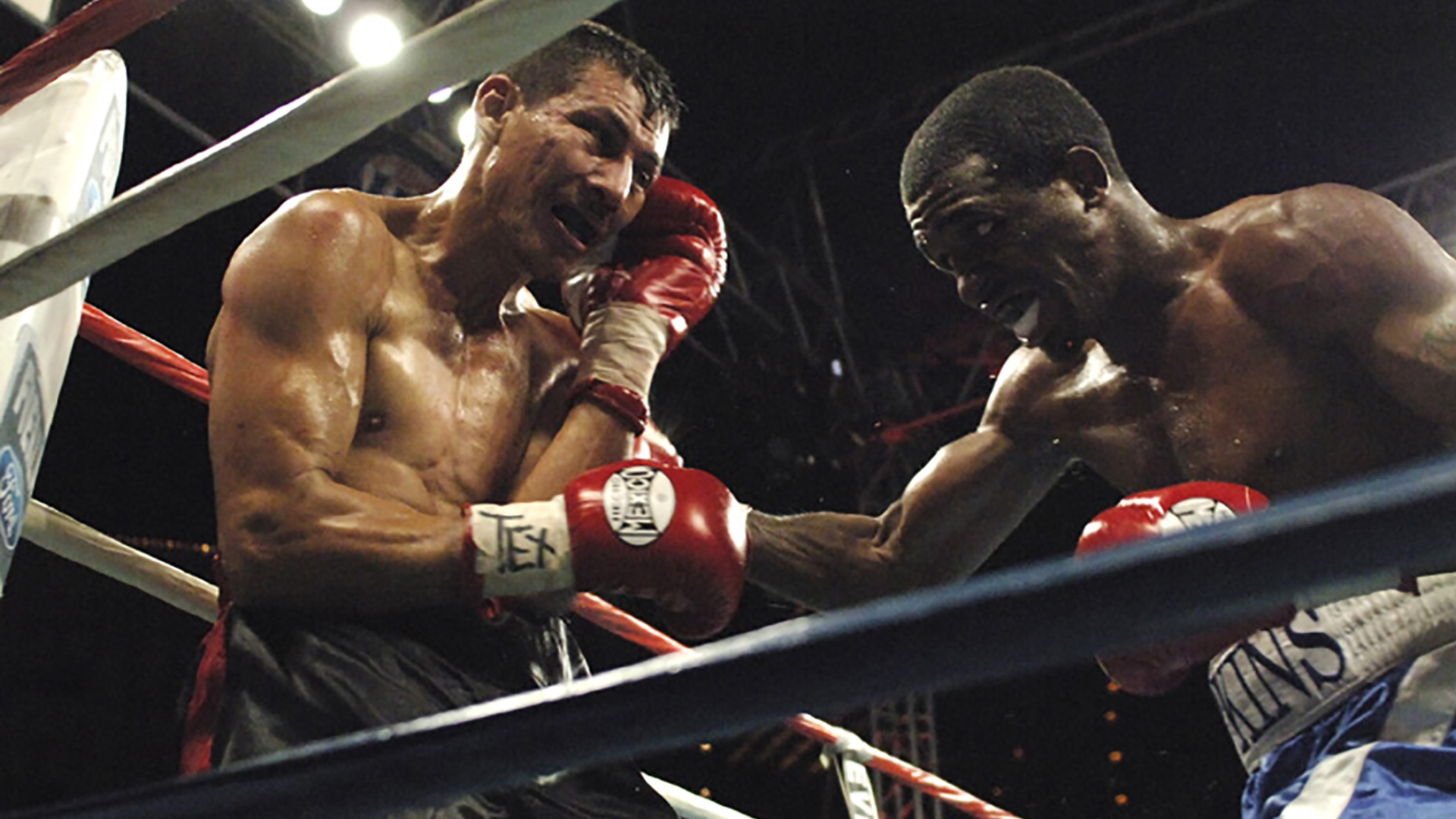
A good stance is not just about offense; it’s equally important for defense. When you’re in a proper stance, you can easily slip, duck, or block incoming punches. Your hands should be up, protecting your face, while your elbows are tucked in to shield your body. This defensive posture makes it harder for your opponent to land clean shots, giving you a better chance to counterattack. Remember, boxing is as much about avoiding punches as it is about throwing them.
Movement and Agility

In boxing, being able to move quickly and efficiently is essential. A solid stance allows for fluid movement, whether you’re advancing, retreating, or sidestepping. Your feet should be light and ready to spring into action. Practicing footwork drills while maintaining your stance will help you become more agile in the ring. The ability to move in and out of range while maintaining your stance can be the difference between winning and losing a match.
Conclusion
As a beginner in boxing, focusing on your stance is one of the best investments you can make in your training. It affects your balance, power, defense, and movement—all critical components of effective boxing. Take the time to practice your stance regularly, and don’t hesitate to seek feedback from coaches or more experienced fighters. Remember, every great boxer started as a beginner, and mastering the fundamentals will set you on the path to success in the ring. So lace up your gloves, find your stance, and get ready to step into the exciting world of boxing!