Why the Uppercut Is So Important in Boxing
The
uppercut is one of the most important—and often underused—punches in boxing. While the jab and straight right control distance and hooks attack from the sides, the uppercut gives a boxer another line of attack:
straight up the middle. When thrown correctly, it can split a tight guard, punish an opponent for leaning forward, and create openings for devastating combinations.
The Uppercut Attacks Where the Guard Is Weak
A boxer with a tight guard can make straight punches difficult to land. The uppercut solves that problem by traveling underneath the opponent’s defense. At close range, it can target the chin, solar plexus, or body.
This is especially effective against fighters who crouch, lean forward, or put too much weight over their front foot. Instead of trying to punch around their guard, you can attack through the opening underneath it.
That makes the uppercut an essential weapon for
inside fighting.
Power Comes From the Ground
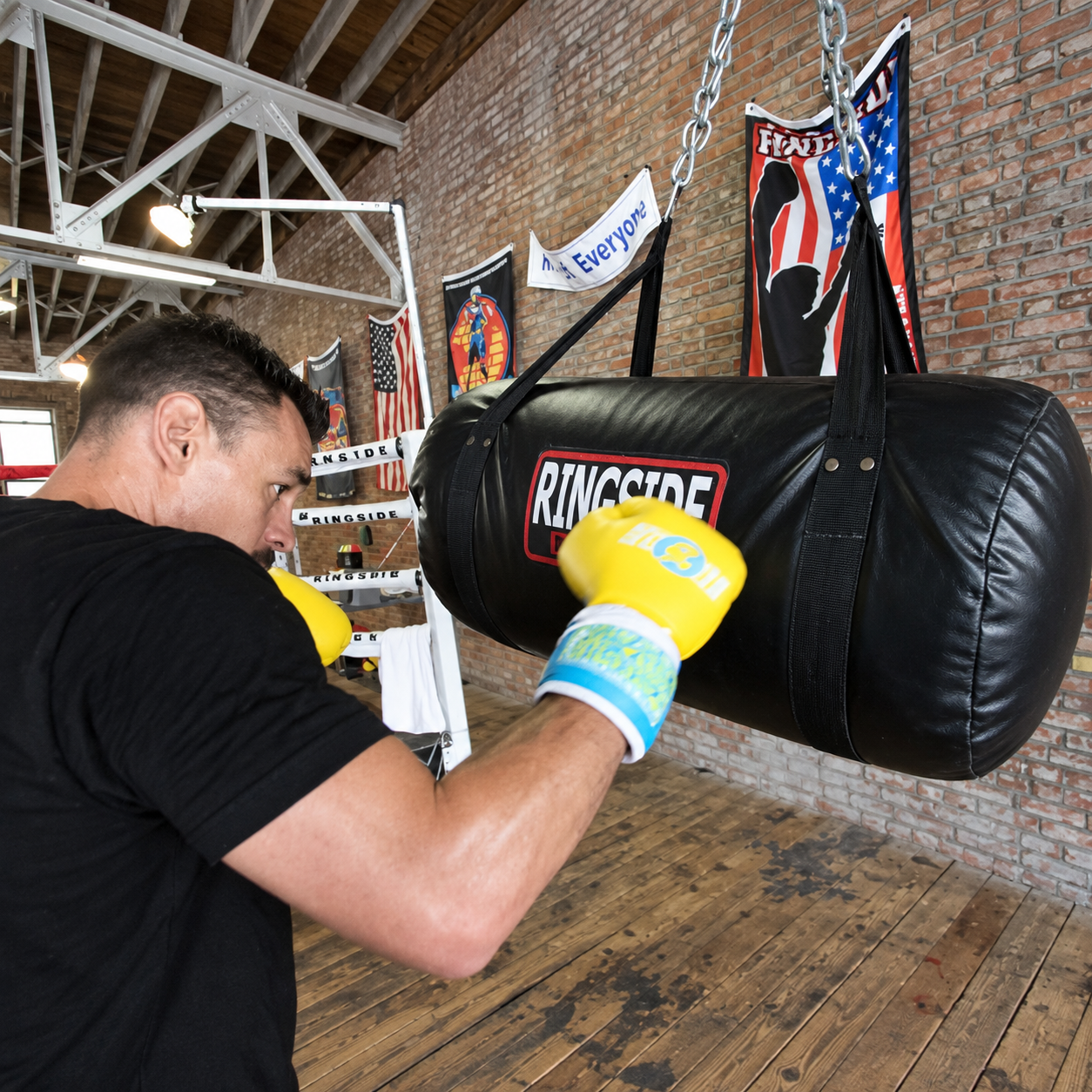
One of the biggest mistakes beginners make is trying to “scoop” the uppercut with the arm.
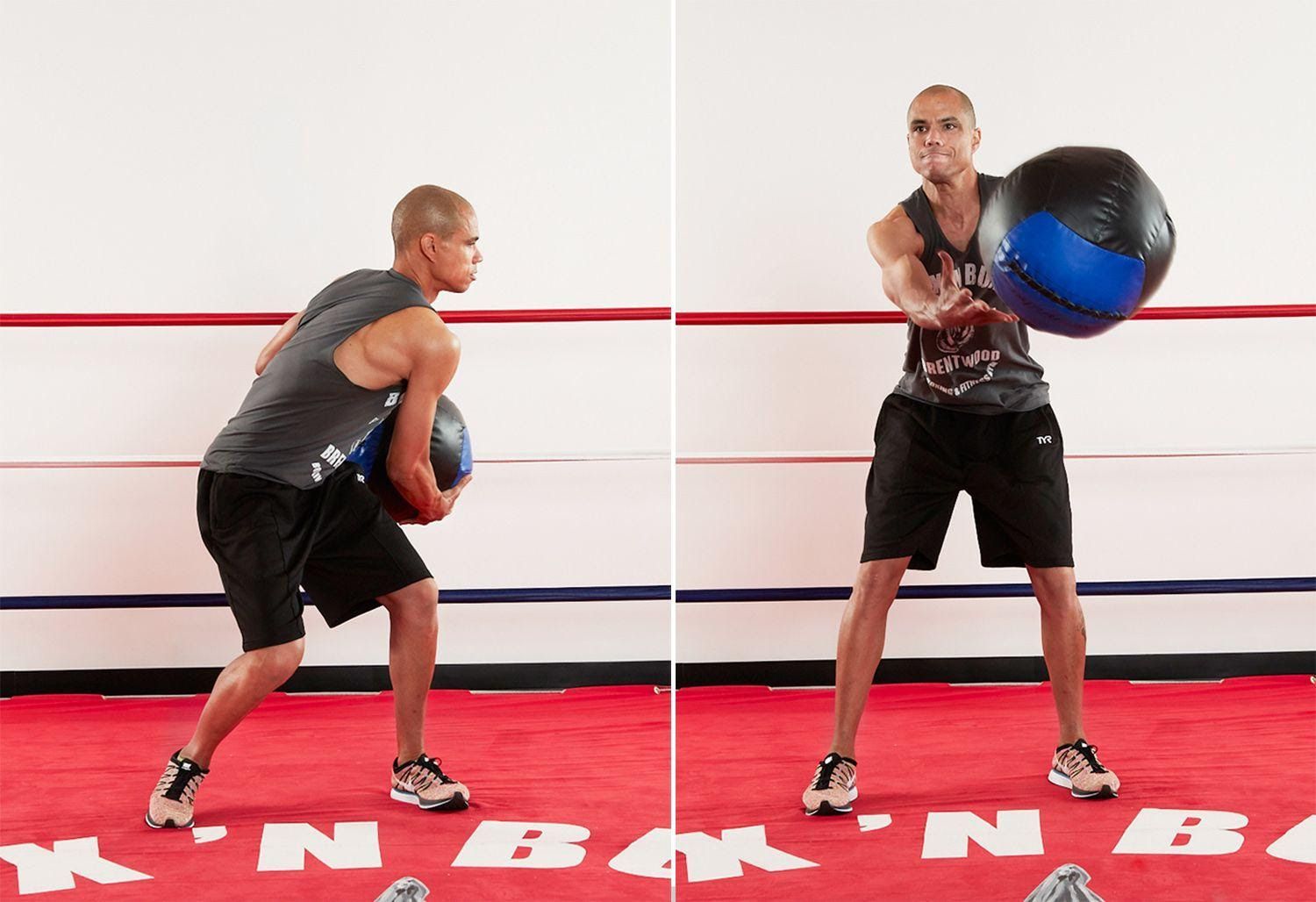
Real uppercut power starts with the feet and legs. The boxer bends slightly through the knees, drives through the floor, rotates the hips and core, and allows that energy to travel into the fist. The movement should be compact and explosive—not a huge windup.
Think:
Legs → hips → core → shoulder → fist.
The shorter and tighter the punch, the harder it is for your opponent to see coming.
Uppercuts Make Combinations More Dangerous
The uppercut becomes even more effective when it is hidden inside combinations.
A jab can occupy an opponent’s attention before a rear uppercut. A body shot can bring the elbows down before an uppercut attacks the chin. An uppercut can also lift an opponent’s posture and create space for a hook.
Consider combinations such as:
Jab → Rear Uppercut → Lead Hook
Lead Hook to Body → Rear Uppercut → Lead Hook
Rear Uppercut → Lead Hook → Rear Cross
The goal isn't simply throwing more punches. It's forcing the opponent to defend different levels and different angles.
It Punishes Predictable Defense
Boxers quickly learn that they can't defend everything simultaneously. Cover the sides too aggressively and the middle can open. Concentrate on straight punches and attacks from underneath become harder to recognize.
This is why the uppercut can be such an effective punch against an opponent who becomes comfortable behind a high guard or repeatedly ducks forward.
But it must be thrown responsibly. Dropping the hand before throwing, reaching with an uppercut from too far away, or allowing the opposite hand to leave the face can expose you to counters.
A Complete Boxer Needs an Uppercut
The uppercut isn't just a knockout punch. It's a tool for breaking guards, controlling close-range exchanges, changing levels, and setting up other punches.
Develop both the lead and rear uppercut, and practice them through shadowboxing, mitt work, heavy-bag work, and controlled partner drills.
A boxer who can attack effectively with jabs, crosses, hooks and uppercuts forces an opponent to defend every direction.
And that's when boxing becomes much harder for the person standing across from you.