Why Mobility Training Matters in Boxing
When people think about boxing training, they usually picture heavy bag work, sparring, roadwork, and endless rounds of conditioning. While strength and endurance are essential, one area that often gets overlooked is mobility training. For boxers, mobility is just as important as power and speed because it directly affects movement, performance, and injury prevention inside the ring.
Mobility training focuses on improving the body’s ability to move freely and efficiently through a full range of motion. Unlike simple stretching, mobility combines flexibility, strength, balance, and control. In boxing, where every movement must be quick and precise, having good mobility can make a major difference in how an athlete performs.
1. Mobility Improves Footwork
One of the biggest benefits of mobility training is improved footwork. Boxing is not just about throwing punches; it is about positioning, angles, and movement. A boxer with tight hips or stiff ankles may struggle to pivot properly or move smoothly around the ring.
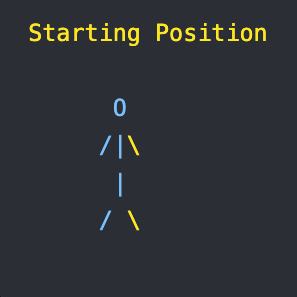
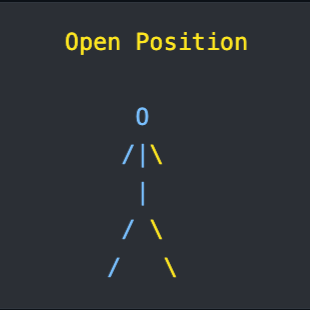
Exercise Example: Hip Openers
This exercise improves hip flexibility and rotational movement for better pivots and lateral movement.
How to do it:
- Stand tall with feet shoulder-width apart.
- Lift one knee toward your chest.
- Rotate the knee outward slowly.
- Return to starting position and repeat.
- Perform 10 repetitions on each side.
Better hip mobility allows fighters to stay light on their feet and react faster during exchanges.

2. Shoulder Mobility Helps Punching Power
Shoulder mobility is another critical factor in boxing. Punching repeatedly places stress on the shoulders and upper back. Without proper mobility, boxers are more likely to develop pain, tension, or injuries over time.
Exercise Example: Shoulder Circles
If you consistently cut sleep short, your body struggles to bounce back. You may still train, but you won’t maximize the benefits of your effort.
How to do it:
- Extend your arms out to the sides.
- Make small circles forward for 20 seconds.
- Reverse the direction for another 20 seconds.
- Gradually increase circle size.
This drill improves shoulder movement and helps maintain healthy punching mechanics.
3. Mobility Reduces Injuries
Boxing is a physically demanding sport that stresses nearly every joint and muscle in the body. Tight muscles and restricted movement increase the risk of strains and overuse injuries.
Exercise Example: Deep Squat Hold

How to do it:
- Stand with feet slightly wider than shoulder-width.
- Lower into a deep squat while keeping heels on the floor.
- Keep your chest upright.
- Hold for 20–30 seconds.
This exercise improves ankle, knee, and hip mobility while strengthening posture and balance.
A boxer who stays injury-free can train consistently, and consistency is one of the biggest keys to success.
4. Better Mobility Improves Defense
Defensive boxing techniques such as slipping punches and rolling under hooks require flexibility and body control. Fighters with better spinal and hip mobility can move more fluidly and avoid punches more effectively.
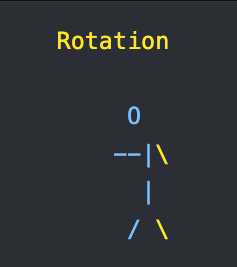
Exercise Example: Thoracic Spine Rotations
How to do it:
- Start on all fours or stand in an athletic stance.
- Rotate your upper body slowly to one side.
- Return to center and repeat on the other side.
- Perform 10 repetitions each direction.
This movement helps improve rotational power and defensive movement.
5. Mobility Speeds Up Recovery
Hard sparring and intense training sessions often leave fighters feeling tight and sore. Mobility exercises increase blood flow and reduce stiffness, helping the body recover faster.
Many professional boxers include mobility sessions before and after training because it keeps their bodies functioning at a high level throughout camp.
Final Thoughts
Mobility training may not be the flashiest part of boxing, but it is one of the most important. It helps fighters move better, punch cleaner, defend smarter, and stay healthier throughout their careers. Small improvements in mobility can create major advantages inside the ring.
The best part is that mobility work does not require expensive equipment or complicated routines. Just 15 to 20 minutes of focused mobility training each day can improve performance and reduce injuries over time.
In boxing, every movement matters. A mobile fighter is often a more effective fighter.